
Car Financing Zero Down vs. Bigger Down Payment with Bad Credit
Evaluate car financing zero down vs. a larger upfront payment and see which strategy gives you better approval odds and lower total costs.
Both options have clear advantages and hidden risks. Understanding how each affects your monthly cost, approval chances, and long-term financial health is essential before signing any deal.
Run the numbers, choose the smartest path for your situation, and secure a financing plan that saves you money and helps rebuild your credit.
How Car Financing Zero Down Works for Bad Credit Buyers 💳
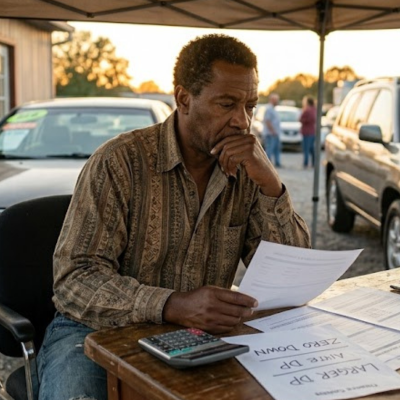
If you’re coming from a tight budget or damaged credit profile, reaching the end of your options and considering car financing zero down is common. This structure allows you to drive away without paying upfront, which can be appealing when cash flow is limited.
However, lenders compensate for this higher risk by adjusting loan terms. That usually means higher interest rates, longer repayment periods, or stricter conditions tied to income verification and vehicle type.
In many cases, zero-down approvals are easier to obtain than traditional financing, especially through subprime lenders or dealership networks.
What Happens When You Choose a Bigger Down Payment 💰
A larger upfront payment changes the entire dynamic of your loan. Instead of relying fully on financing, you reduce the amount borrowed—making you less risky in the eyes of lenders.
This decision directly impacts:
- Lower monthly payments
- Reduced total interest paid
- Higher chances of approval
- Access to better vehicle options
For buyers with bad credit, putting money down can sometimes mean the difference between approval and rejection.
Lower Interest Rates and Better Loan Terms 📉
When you bring a down payment to the table, lenders see commitment. That often translates into better loan terms compared to car financing zero down deals.
Key benefits include:
- Lower APR (Annual Percentage Rate)
- Shorter loan duration
- Reduced risk of negative equity
This becomes especially important if you plan to refinance later or upgrade your vehicle within a few years.
Reduced Risk of Negative Equity at car financing zero down ⚖️
One of the biggest dangers in zero-down deals is starting your loan “upside down.” This means you owe more than the car is worth from day one.
With a down payment, you:
- Start with equity in the vehicle
- Protect yourself from depreciation
- Gain flexibility for trade-ins or refinancing
This financial buffer is often overlooked but plays a major role in long-term stability.
Improved Approval Odds with Bad Credit ✅
Even if your score is low, a solid upfront payment signals reliability. While car financing zero down may still be available, lenders are far more likely to approve applicants who reduce their own risk.
Advantages include:
- Easier approval with fewer conditions
- Less reliance on co-signers
- Greater negotiating power
This can be crucial when dealing with strict lenders or limited credit history.
Comparing Total Cost: car financing zero down vs. Down Payment 📊
When evaluating both strategies, the biggest difference appears over time—not at the dealership.
A zero-down deal may look attractive initially, but the total cost tends to be significantly higher due to accumulated interest.
Comparison Table
| Factor | Zero Down Financing | Larger Down Payment |
| Upfront Cost | $0 | Higher initial expense |
| Monthly Payment | Higher | Lower |
| Interest Paid | Higher over time | Lower overall |
| Approval Ease | Easier | Moderate to high |
| Risk Level | Higher | Lower |
| Equity Position | Negative initially | Positive sooner |
This comparison shows why car financing zero down is often more about short-term access than long-term savings.
Pros and Cons of Each Option ⚖️
Understanding both sides helps you make a smarter decision.
Zero Down Financing:
- ✔ No upfront cost
- ✔ Faster access to a vehicle
- ✔ Useful in emergencies
- ✖ Higher interest rates
- ✖ Larger monthly payments
- ✖ Higher risk of negative equity
Larger Down Payment:
- ✔ Lower total loan cost
- ✔ Better financing terms
- ✔ Increased approval chances
- ✖ Requires savings upfront
- ✖ Delays purchase if funds are not ready
Balancing these pros and cons depends on your current financial situation and long-term goals.
When Car Financing Zero Down Makes Sense 🤔
Despite its drawbacks, there are situations where car financing zero down is the right move.
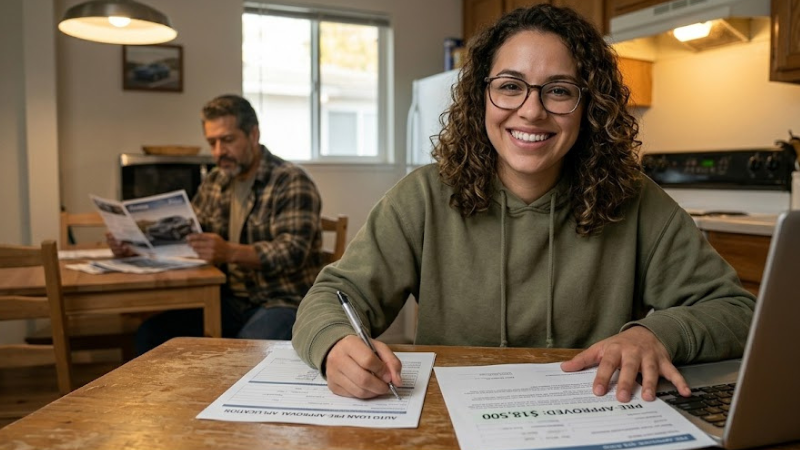
If you urgently need transportation for work or family needs and lack savings, this option provides immediate access. It can also be useful if you plan to refinance later after improving your credit profile.
Additionally, some promotional offers may include competitive terms—though these are less common for bad credit borrowers.
When a Bigger Down Payment Is the Better Strategy 🧠
If you have the ability to save—even a modest amount—it often leads to better financial outcomes than relying entirely on car financing zero down.
Putting money down helps you:
- Reduce financial stress monthly
- Avoid long-term debt traps
- Build equity faster
- Position yourself for refinancing
Even a small down payment (10–20%) can significantly improve your loan structure.
Which Option Saves You More? 🏁
Choosing between car financing zero down and a larger down payment ultimately depends on your priorities. If immediate access is critical, zero-down financing can solve short-term problems. But if your goal is financial stability and lower costs, investing upfront is usually the smarter path.
Carefully evaluate your income, expenses, and long-term plans before deciding—because the structure of your loan will impact your finances for years.
FAQ ❓
Is car financing zero down a good idea with bad credit?
- It can help you get approved quickly, but it usually comes with higher costs and risks.
How much should I put down on a car with bad credit?
- Ideally 10% to 20%, but even smaller amounts can improve your loan terms.
Does zero down mean no extra costs?
- No. Fees, taxes, and higher interest still apply in most cases.
Can I refinance after a zero-down loan?
- Yes, especially after improving your credit and payment history.
Which option is cheaper long term?
- A larger down payment almost always results in lower total cost.
